

Premium 3D renders are transforming luxury real estate in Australia. They offer lifelike visuals that help properties sell faster, attract higher prices, and engage buyers more effectively. By showcasing detailed interiors, advanced lighting, and virtual tours, developers can bridge the gap between blueprints and buyer expectations, especially for off-the-plan projects. Key benefits include:
- Faster Sales: Properties with virtual tours sell up to notably faster.
- Higher Prices: Listings with premium renders can achieve prices 9% above asking.
- Increased Engagement: Virtual tours attract substantially more views and keep buyers engaged longer.
- Improved Buyer Confidence: Detailed visuals reduce uncertainty, helping buyers feel confident in their decisions.
With tools like 3ds Max, V-Ray, and Blender, and local expertise in Australian design, premium 3D renders are now a must-have for marketing high-end properties.
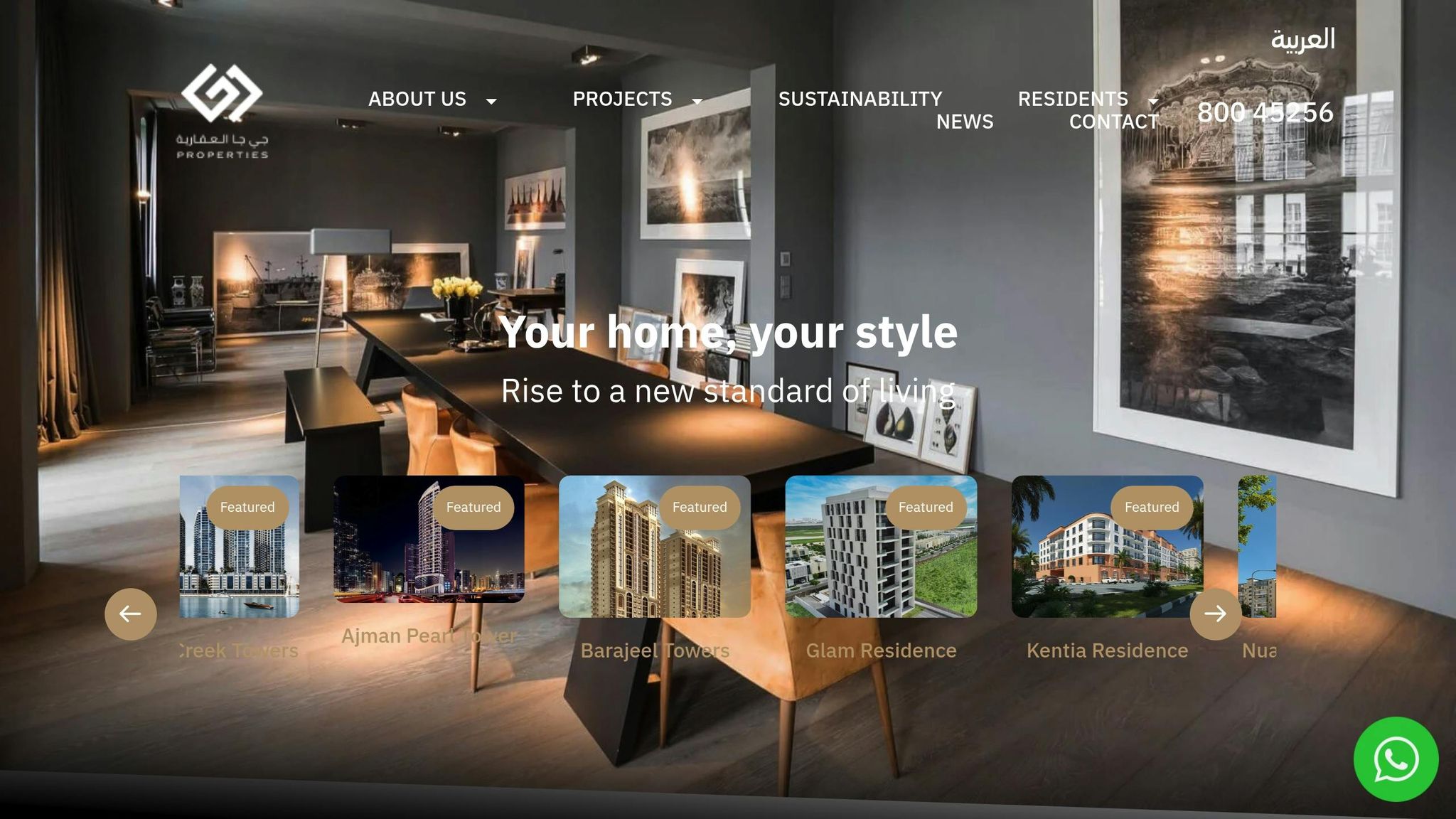
Luxury Real Estate 3D Walkthrough for Conqueror Tower by GJ Properties
Key Features of Premium 3D Renders
After introducing the concept of premium 3D rendering, let’s dive into the standout features that elevate property presentations. Premium 3D renders redefine how luxury properties are showcased, offering visuals that rival professional photography. These features work together seamlessly to turn architectural concepts into vivid, tangible representations.
Photorealistic Textures and Finishes
At the heart of premium 3D rendering is its ability to replicate materials with incredible precision. High-resolution textures and detailed material shaders bring out the subtle details that luxury buyers look for, from the natural grain of timber to the intricate stitching on upholstery. These renders don’t just aim for perfection - they embrace the small imperfections, like the subtle wear on stone or the texture of brushed metal, to create a sense of authenticity.
To achieve this, techniques like bump maps and normal maps are used to simulate fine details efficiently without slowing down the rendering process. The result? Buyers can almost feel the materials through the screen, building trust and sparking excitement as they imagine the finished product. When light interacts with these realistic surfaces, the effect is nothing short of captivating.
Advanced Lighting Simulations
Lighting can make or break a 3D render, and advanced simulations take these visuals to the next level. By using techniques like global illumination and HDRI, renders achieve realistic shadows, reflections, and overall light behaviour. This is especially important in Australian architecture, where natural light and open spaces are often central to design.
Natural lighting is carefully tailored to reflect the property’s location, with adjustments to the sun’s angle, intensity, and colour to mimic local conditions. Meanwhile, artificial lighting is used strategically to highlight key features and add depth. Every element, from the soft glow of a pendant light to the sharp shadows of midday sun, is designed to create an atmosphere that feels true to life. Thoughtful camera placement and composition further enhance the visual impact, drawing attention to luxurious details and creating a sense of space.
Beyond still images, precise lighting plays a vital role in creating immersive experiences like virtual tours, where buyers can explore these lifelike environments in real time.
Virtual Tours and Walkthroughs
Virtual tours take the realism of premium 3D renders and turn it into an interactive experience. These tours allow buyers to explore properties remotely, offering a clear understanding of spatial layouts and flow. A 2022 report by the National Association of Realtors revealed that a majority of buyers were more engaged when visuals included 3D renderings or walkthroughs. This highlights the transformative power of virtual experiences in property marketing.
Unlike static images, virtual tours let buyers navigate the property at their own pace, offering a deeper appreciation of its design. This is especially valuable for off-the-plan sales, where buyers commit to properties that haven’t been built yet. By providing a realistic sense of the finished space, virtual tours reduce uncertainty and build confidence, helping buyers make decisions faster. Compared to traditional marketing tools like brochures, these immersive experiences feel far more dynamic and engaging.
How Premium 3D Renders Improve Luxury Property Marketing
Premium 3D renders have reshaped the way luxury properties are marketed, offering a fresh approach that addresses challenges unique to high-end real estate. By bridging the gap between imagination and reality, these detailed visualisations allow developers and agents to connect more effectively with affluent buyers.
Selling Off-Plan Properties
Selling properties off-plan has always been a challenge in luxury real estate. Buyers are expected to commit to significant investments based on little more than blueprints and descriptions. This is where premium 3D renders make a difference - they transform flat, technical drawings into lifelike visuals that help buyers truly see what the finished property will look like.
The results speak for themselves. Properties featuring 3D renderings or virtual tours tend to sell notably faster than those relying on traditional methods. These realistic visuals instil confidence, allowing buyers to explore every angle and understand layouts long before construction begins. Property Visualizer highlights this impact, noting that high-quality 3D tours often lead to sales closing in just a few weeks. As they put it:
"Our 3D tours help buyers visualise and immediately form a bond with properties, resulting in sales closing within a few weeks."
Beyond speeding up sales, these renders also add value. Buyers can see exactly what they’re investing in, which not only boosts their confidence but can also lead to higher bids. Developers benefit too - there’s no longer a need for expensive physical showrooms or model homes. Instead, resources can be allocated more efficiently, reaching a broader audience with interactive presentations and virtual tours. This digital approach enhances the buying experience and strengthens the appeal of luxury properties.
Creating Emotional Connections Through Visual Storytelling
While faster sales are a clear advantage, premium 3D renders also excel at creating emotional connections. For luxury buyers, a property isn’t just a place to live - it’s a reflection of their lifestyle, status, and aspirations. These renders go beyond showing the structure; they tell a story about the exclusivity and elegance of the property.
One standout feature of premium renders is their ability to offer customisation. Buyers can experiment with different design options, from colour schemes to furniture layouts, even before construction begins. This interactive element helps buyers imagine how the space will fit their personal style, fostering a sense of ownership. Traditional marketing materials simply can’t compete with this level of personal engagement. By showcasing sophisticated design elements and unique selling points, premium renders reinforce the exclusivity of luxury properties, justifying the premium price tags.
Better Communication Between Stakeholders
Premium 3D renders don’t just benefit buyers - they streamline communication across all stakeholders involved in a luxury real estate project. From developers and architects to interior designers, contractors, and buyers, everyone needs to be on the same page. These renders act as a universal language, making complex designs accessible to all parties. As Antonio Elis explains, technical drawings and plans can be difficult to interpret without specialised knowledge. By converting these into clear, visual formats, premium renders minimise misunderstandings and ensure everyone shares the same vision.
Another advantage is the flexibility of digital rendering. Changes can be made quickly without the need for physical mock-ups, speeding up decision-making and even regulatory approvals. Gregory Gronbacher, a seasoned real estate agent, underscores this benefit:
"The best Marketing real estate projects using 3D renderings can significantly influence potential clients' interest and decision-making"
This clarity fosters trust among all stakeholders. Whether it’s investors, contractors, or buyers, everyone benefits from the transparency that premium renders provide. By aligning expectations from the start, these visual tools reduce uncertainties and help ensure the project runs smoothly from concept to completion. This collaborative approach strengthens the overall marketing strategy for luxury real estate, making it more efficient and effective.
Tools and Techniques for Premium Results
Delivering top-service levels 3D renders that capture every nuance of a property requires a mix of cutting-edge software, advanced rendering techniques, and a deep understanding of local design preferences. The technology driving these visualisations has come a long way, offering levels of realism that bring unbuilt properties to life.
Software and Rendering Techniques
At the heart of high-quality 3D rendering is professional software crafted for photorealistic visuals. Here are some industry favourites:
- 3ds Max: Known for its precision and detail in architectural renderings ($215/month).
- V-Ray: Excels in creating realistic lighting effects ($60/month).
- Lumion: Ideal for fast, real-time rendering.
- Twinmotion: Enables interactive visualisations and immersive walkthroughs.
- Enscape: Known for quick, real-time rendering directly from models ($39.90/month).
- Blender: A free, open-source option with a strong 4.6/5 rating.
Enscape's popularity speaks volumes, with 85 of the top 100 architecture firms worldwide relying on it. Meanwhile, Blender proves that exceptional results don’t always come with a hefty price tag, making it a standout choice for those seeking flexibility without sacrificing quality.
When it comes to creating photorealistic renders, techniques like ray tracing and global illumination play a pivotal role. These methods mimic real-world light behaviour, ensuring that scenes feel authentic. Physically Based Rendering (PBR) takes it a step further by making materials like marble, wood, and stainless steel appear true to life under various lighting conditions. High-resolution textures and advanced rendering strategies are essential for meeting the high expectations of luxury buyers.
But software alone isn't enough. To create renders that resonate, understanding the local market is crucial.
Why Local Expertise Matters
Local knowledge is the secret ingredient to creating renders that genuinely reflect Australia's architectural identity. Luxury properties here often feature unique elements like expansive outdoor entertaining spaces, pools, and designs that maximise natural light and ventilation. Local expertise ensures these hallmarks are accurately depicted in visualisations.
Australia’s climate also plays a significant role in property design. Renders need to show how homes will look under the country’s intense sunlight, highlighting features like effective shading and covered outdoor areas. Skilled local artists know how to balance the brightness of Australian light with interior spaces, creating scenes that feel relatable and inviting.
Regional differences in building regulations and architectural styles further underscore the importance of local insight. For example, a sleek apartment in Melbourne's Southbank will have vastly different design priorities compared to a waterfront mansion on the Gold Coast. Tailoring renders to these nuances ensures they resonate with Australia’s luxury property market.
Laurent Visuals, a Brisbane-based architectural visualisation studio, exemplifies this approach. Their team combines artistic talent with architectural expertise, as they explain:
"Our talented 3D artists are also architects, supported by project managers with expertise in property marketing and delivering residential and commercial developments."
This blend of skills ensures their renders are not just visually impressive but also technically precise and perfectly aligned with local market expectations.
Laurent Visuals' Structured Process
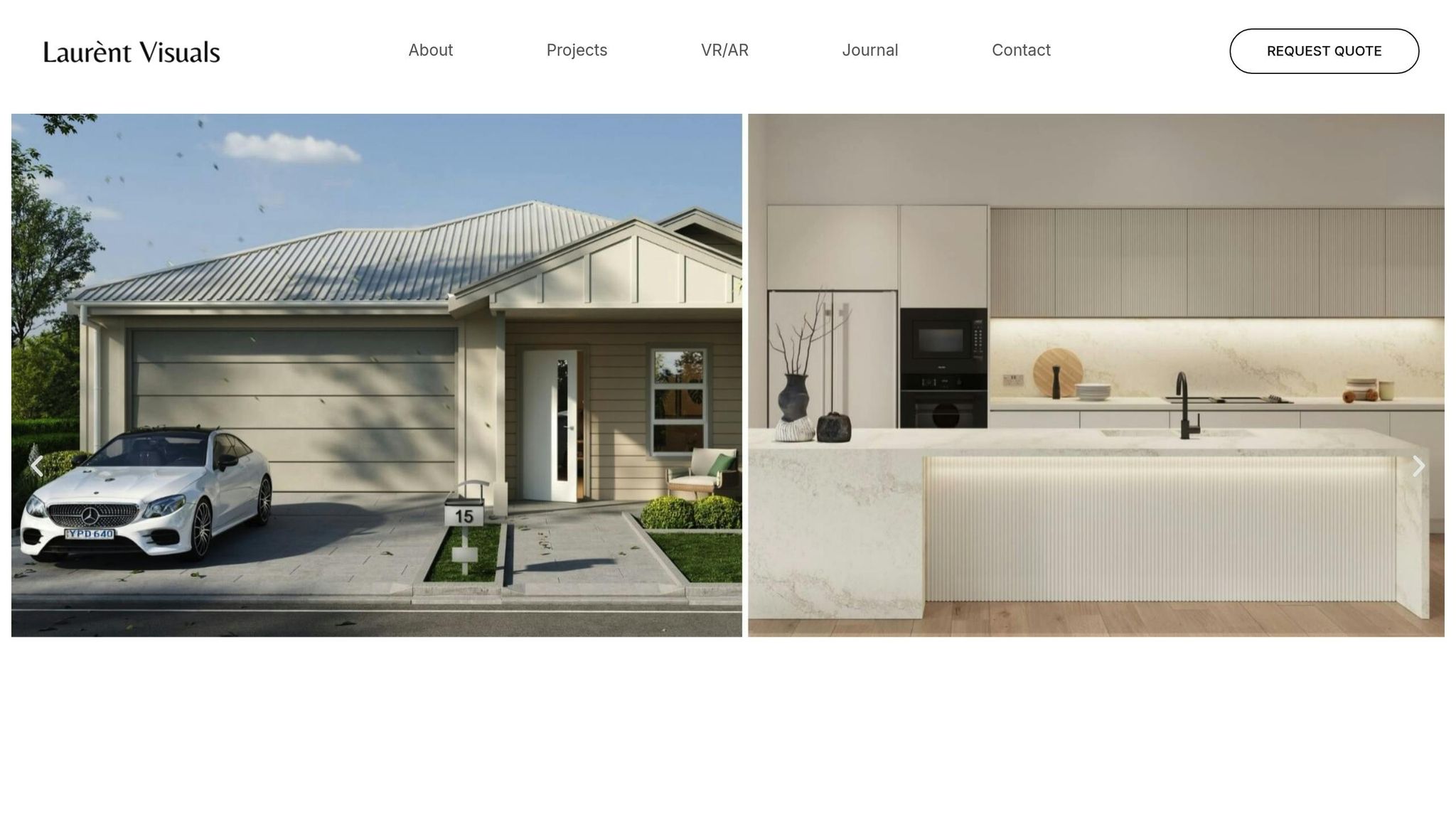
Laurent Visuals takes a methodical approach to ensure every render meets the highest standards. Their process starts with detailed documentation and briefing sessions, where they gather client requirements and identify the unique selling points of each property. This step is key to understanding the target audience and tailoring the visualisation accordingly.
Next comes the preview stage, where clients can review greyscale or basic colour drafts. This iterative process allows for adjustments before moving to the final rendering phase, saving time and resources. The end result is a polished, high-resolution render optimised for various marketing platforms, from large-format print ads to interactive digital presentations.
…continued on the original article.