

Premium 3D renders are transforming how properties are marketed in Australia. They go beyond showing what a space looks like - they help buyers feel what it’s like to live there. In a competitive property market, emotional connection drives faster sales, higher prices, and stronger buyer confidence.
Here’s what makes premium 3D renders stand out:
- Photorealistic quality: Captures every material detail, from timber textures to sunlight reflections.
- Lighting and atmosphere: Sets the mood with realistic lighting, from soft morning tones to golden hour warmth.
- Local context: Reflects Australian architecture, native plants, and regional lifestyles.
- Storytelling: Creates narratives that resonate with buyers, showcasing lifestyle moments, seasonal versatility, and real-life scenarios.
Tools like V-Ray and Lumion play key roles in creating these visuals. V-Ray excels in photorealism for luxury projects, while Lumion offers speed and flexibility for quick adjustments and client presentations. Together, they help developers and architects craft engaging, emotionally resonant renders that turn interest into action.
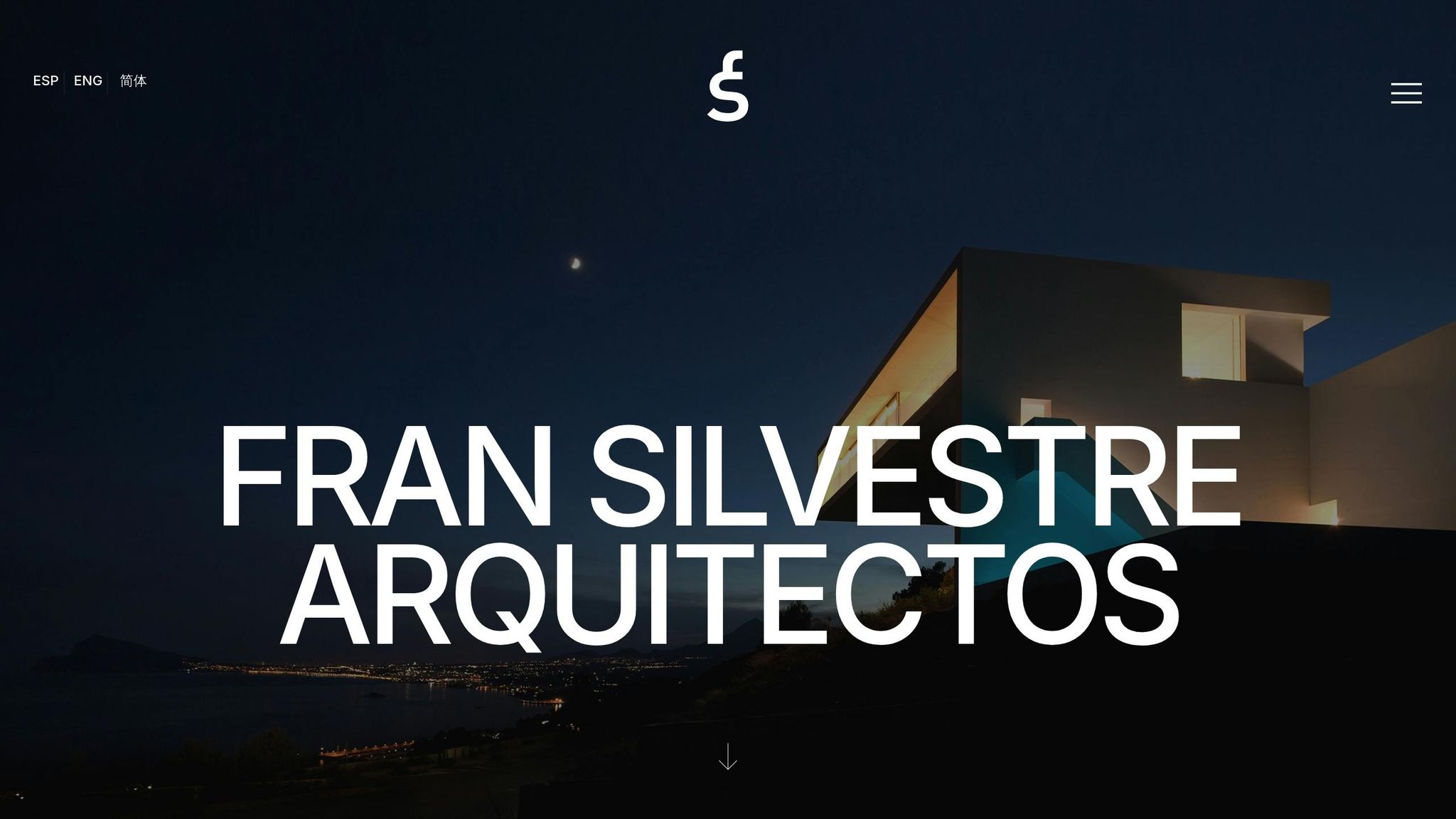
How to Render like Fran Silvestre Arquitectos
Core Techniques for Creating Emotionally Engaging 3D Visuals
Creating 3D renders that truly connect with viewers involves more than just technical precision. It’s about crafting visuals that evoke emotion, resonate with Australian audiences, and inspire meaningful engagement. By combining thoughtful techniques with an understanding of local preferences, you can transform ordinary visualisations into experiences that leave a lasting impression.
Using Lighting and Atmosphere for Emotional Impact
Lighting plays a pivotal role in setting the mood of a render. In Australia, with its diverse climates and abundant natural light, understanding how light behaves throughout the day is essential. For instance, the soft glow of morning light streaming through large windows conveys warmth and renewal, while the golden hour - so cherished in Australia - adds a luxurious and inviting feel to any space.
To create the right emotional tone, match the lighting to the intended mood. Soft, diffused light creates a sense of comfort and calm, while sharp contrasts and dramatic shadows can add sophistication and intrigue. Seasonal lighting also plays a key role. Bright summer scenes with clear skies and vibrant light evoke energy and outdoor living, while winter renders can highlight cosy interiors with warm artificial lighting, offering a sense of comfort during colder months.
Weather adds an extra layer of emotional depth. Imagine a render where gentle rain streaks down a windowpane - it instantly makes the space feel secure and intimate. Partly cloudy skies, with their dynamic light patterns, often feel more natural and relatable than perfectly clear skies.
From a technical standpoint, balancing multiple light sources is critical. The interplay between natural light from windows, artificial light fixtures, and ambient environmental light needs to be carefully managed. Overdoing contrast can make visuals harsh and unwelcoming, while too little contrast might result in flat, uninspiring images.
Once lighting is perfected, the next step is to focus on materials, which bring depth and authenticity to the render.
Creating Realism Through Material Accuracy and Detail
When it comes to materials, authenticity is everything. Australians are particularly attuned to the materials used in local construction, so getting these details right is crucial for credibility and emotional impact.
Textures need to feel real. For instance, the fine grain of jarrah timber or the weathered look of sandstone adds authenticity to the render. Each material carries its own emotional associations: jarrah conveys a sense of luxury and permanence, while lighter timbers like blackbutt bring a relaxed, coastal vibe. Glass, too, must be rendered with precision, capturing its reflective and transparent qualities under Australia’s intense sunlight. Fabric details, like textured cushions or soft curtains, further enhance the realism.
Interestingly, imperfections in surfaces can make a render feel more relatable. Uniform, flawless materials often come across as artificial, but subtle variations - like a faint scratch on wood or the uneven patina of stone - make spaces feel lived-in and attainable.
After achieving realistic lighting and materials, the final touch is embedding local context to ground the design in its Australian setting.
Building Context with Local Australian Elements
To create a true sense of place, incorporate elements that reflect Australia’s unique environment and lifestyle. Native vegetation, such as eucalyptus trees, bottlebrush, or coastal tea trees, does more than just decorate - it immediately connects the viewer to the location.
Regional architectural styles also play a big role. For example, a Brisbane render might include Queenslander features like wide verandas and elevated designs, while a Melbourne project could draw on Victorian-era influences with intricate details and proportions. These touches not only root the render in its location but also make it more relatable to the audience.
Lifestyle elements further strengthen the emotional connection. Outdoor spaces designed for entertaining, complete with barbecues and swimming pools, reflect Australia’s love for casual, social living. Indoor-outdoor areas, a hallmark of Australian design, showcase the seamless flow between home and nature.
Environmental conditions should also be portrayed accurately. Coastal properties might show the effects of salt air on materials and vegetation, while inland homes could feature drier landscapes with native plants suited to the area. Whether urban or rural, the surrounding context significantly shapes the emotional response. City renders can highlight convenience and connectivity, with glimpses of public transport or nearby amenities, while rural properties might focus on privacy, open spaces, and the beauty of native wildlife.
The best Australian renders weave these contextual elements together naturally, creating a vision that feels aspirational yet achievable. They invite viewers to imagine themselves not just in the space, but as part of the lifestyle and community it represents.
Key Tools for Premium Rendering
The software you choose for 3D rendering plays a huge role in shaping the emotional and visual impact of your work. At Laurent Visuals, we rely on top-service levels tools that balance photorealism with creative control. By understanding these tools and their unique capabilities, you can create renders that resonate with Australian audiences both technically and emotionally. Below, we’ll explore how V-Ray and Lumion cater to the needs of Australian projects.
V-Ray and Lumion Overview
**V-Ray is widely regarded as the benchmark for photorealistic rendering, especially when absolute realism is a priority. Its ability to produce images that are almost indistinguishable from actual photographs makes it a favourite for high-end projects. One of V-Ray’s standout features is its material system. It excels at rendering intricate details, like the grain patterns of Australian hardwoods such as spotted gum and blackbutt. These materials often feature prominently in local architecture, and V-Ray captures their natural variations beautifully. For contemporary designs with large glass elements - think expansive windows or sliding doors - V-Ray’s glass rendering is equally impressive, bringing out the clarity and reflections essential to modern Australian homes. However, this level of detail comes at a cost: time. Complex scenes with multiple light sources and detailed textures can take several hours to render, making V-Ray ideal for final presentation images where quality outweighs speed. Lumion, on the other hand, focuses on speed and simplicity without compromising too much on visual quality. As a real-time rendering tool, it allows for quick adjustments and immediate results, making it invaluable during the design phase. You can tweak lighting, materials, and camera angles in minutes, which is perfect for fast-paced projects. Lumion also boasts a rich library of pre-built materials and objects tailored for architectural visualisation, including elements that suit Australian environments. Its weather effects are particularly useful - you can easily simulate anything from Sydney’s summer storms to Melbourne’s overcast skies, adding a local touch to your renders. The software’s real-time capabilities shine during client presentations. It allows you to showcase different lighting conditions, seasonal changes, or material options on the spot, enabling quick feedback and collaborative decision-making.
Tool Comparison for Australian Projects
Choosing between V-Ray and Lumion depends on your project’s needs, timeline, and the emotional tone you want to convey. Each tool has its own strengths, making them suitable for different scenarios. Here’s how they compare:
Feature V-Ray Lumion
Photorealism Quality Unmatched realism High-quality with a stylised touch
Rendering Speed Hours for complex scenes Minutes for similar output
Learning Curve Requires advanced skills Easier to pick up with an intuitive interface
Australian Material Library Custom materials often needed Strong library with local options
Lighting Accuracy Physically accurate for natural light Good approximation for presentations
Animation Capabilities Limited to still images Excellent for walkthroughs and flyovers
Client Interaction Best for static visuals Ideal for real-time collaboration
Cost Consideration Higher upfront and training costs More budget-friendly pricing
For luxury residential projects in areas like Double Bay or Toorak, V-Ray’s photorealism is a game-changer. It captures every detail of premium materials like Carrara marble or custom joinery, creating the kind of high-impact visuals that justify premium price points. For volume housing developers, Lumion’s speed and flexibility are invaluable. When working on multiple designs with varying orientations, Lumion makes it easy to produce renders quickly. Its ability to showcase seasonal changes or landscaping options helps buyers imagine their future homes. For commercial developments, V-Ray’s precision is often essential. Whether it’s for planning approvals or investor presentations, the photorealistic quality ensures stakeholders can clearly visualise the final outcome, building trust and confidence in the project. Ultimately, the choice between V-Ray and Lumion depends on the story you want your render to tell. V-Ray is ideal for narratives centred on luxury, precision, and aspirational design. Lumion, meanwhile, excels in showing lifestyle, versatility, and how spaces evolve over time. Many professionals find value in using both tools. Lumion is perfect for early-stage design and client collaboration, while V-Ray takes centre stage for final marketing materials and key presentations. By combining their strengths, you can ensure every render serves its purpose effectively, delivering both efficiency and impact.
sbb-itb-1b6d2bc
Methods for Improving Client Engagement with 3D Renders
In Australia's competitive property market, stunning 3D renders need to do more than just look good - they should spark an emotional connection. A great render tells a story, turning viewers from passive onlookers into engaged participants, and ultimately, into buyers.
Using Visual Storytelling for Better Presentations
…continued on the original article.